A lot happens between the moment a technical drawing lands on someone’s desk and the moment that information actually shows up in a usable system. A supervisor logs an inspection on paper. A materials list gets keyed into a spreadsheet. A cost report gets built by hand from specs buried in a stack of drawings. By the time any of it reaches the ERP, hours or days have passed, and something has usually been re-typed, mis-entered, or lost along the way.
If that sounds familiar, the problem isn’t your team. It’s that most construction and manufacturing operations are running on a patchwork of legacy systems, manual processes, and spreadsheets that were never designed to talk to each other, let alone to the AI tools everyone is now being asked to adopt.
Why Off-the-Shelf Software Rarely Fits Construction and Manufacturing Workflows
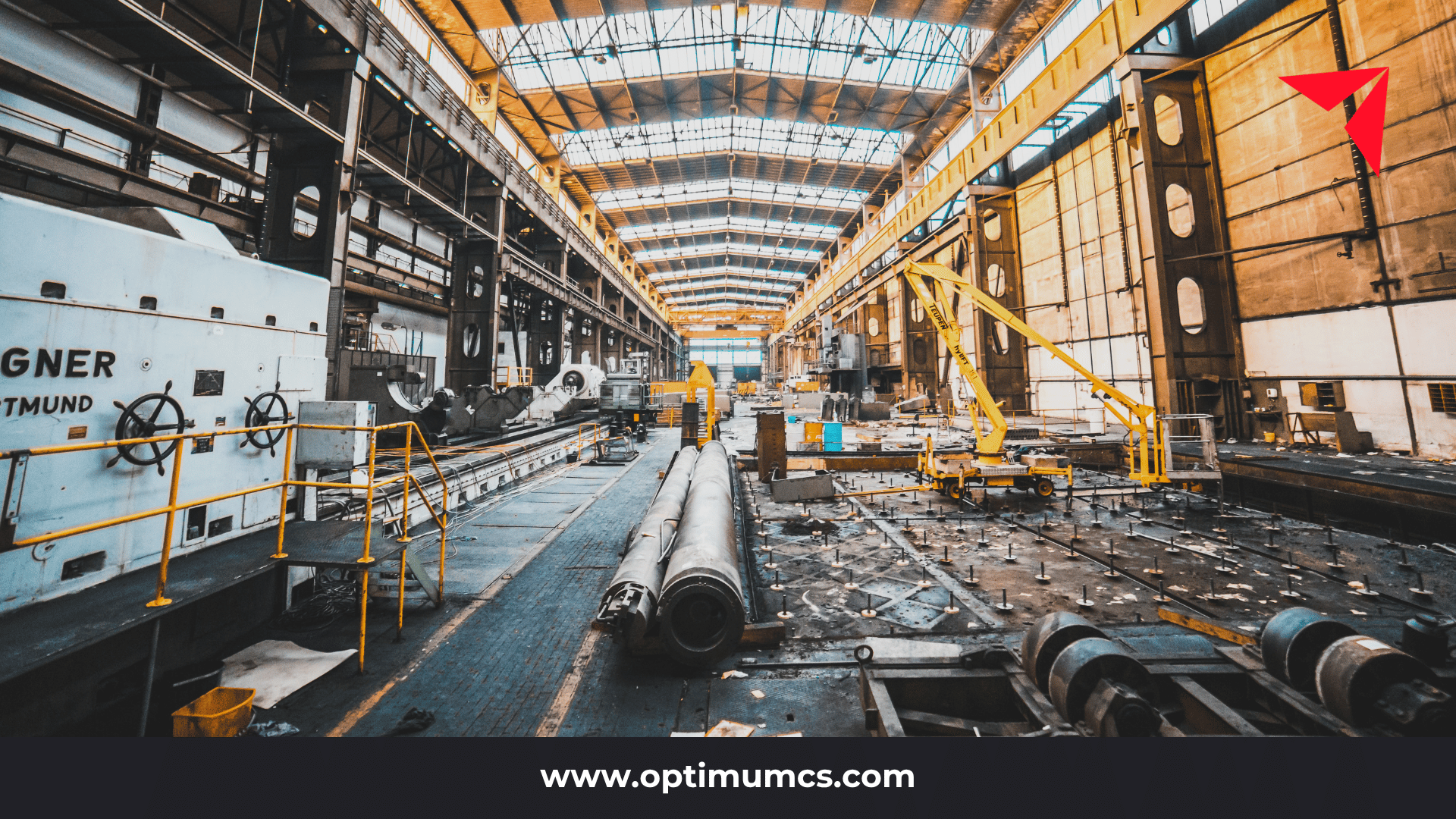
Construction and manufacturing operations are some of the most process-specific environments in business. Project-based work, multi-site operations, equipment tracking, safety compliance, and supply chain variability all layer on top of each other in ways that differ from one company to the next, and often from one job site or plant to the next within the same company. Generic ERP systems and off-the-shelf point solutions weren’t built to flex around that kind of variability, which is exactly why so many teams end up bolting together spreadsheets, paper forms, and disconnected software just to keep operations moving.
AllianceCorp Manufacturing, known as ACM, is a good illustration of how this plays out in practice. ACM is a global manufacturing technology company operating across Asia and Europe, serving industries including semiconductor, electronics, medical, scientific, e-commerce logistics, and e-mobility. Despite that scale, ACM’s digital transformation was running through a team of just 5 to 7 developers. Projects piled up because the team was tied to traditional development methods, legacy applications, and manual processes, and expanding the team wasn’t a realistic option since finding full-stack developers skilled in ACM’s specific technology stack was nearly impossible.
That’s the deeper issue at play across this sector. AI itself is probabilistic. It generates variable outputs, which is exactly what makes it powerful for ideas, content, and code. But enterprise operations, especially in construction and manufacturing, need to be deterministic. They follow predefined rules to produce consistent, reliable results every time, because a plant floor or a job site doesn’t have room for a system that behaves a little differently each time it runs. Closing that gap takes more than a better model. It takes a platform built to bridge the two.
What Custom Applications Look Like for Field and Plant Operations
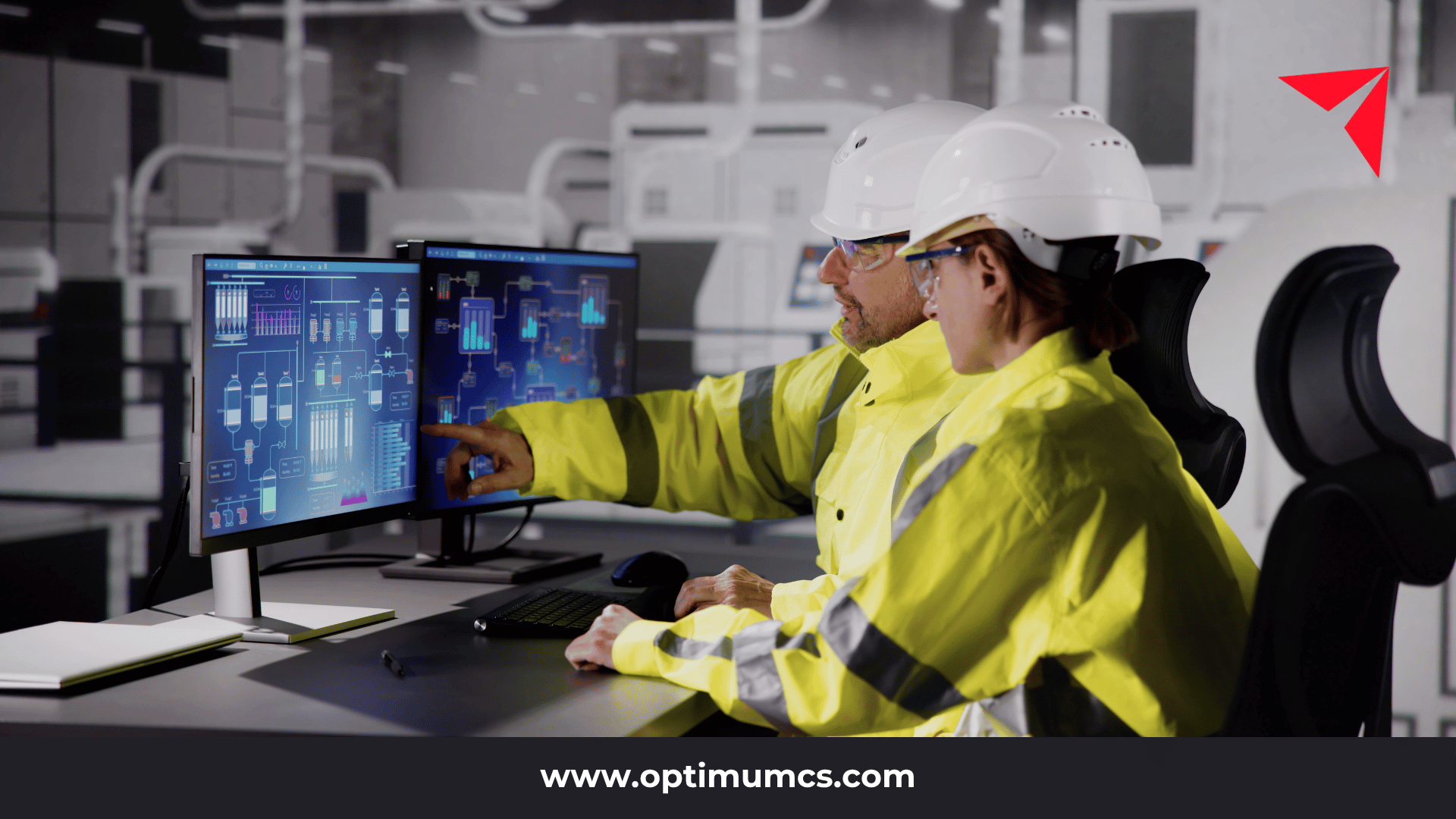
Once a company has the right platform in place, the use cases tend to multiply quickly, and they multiply in very concrete, operational ways. Digital inspection and safety checklists replace paper forms on the job site. Equipment and asset tracking applications give managers real-time visibility into machine status and maintenance needs. Real-time job site reporting syncs directly into project management systems instead of waiting for someone to transcribe it later. Quality control and defect tracking tools catch issues on the manufacturing line as they happen. Subcontractor and vendor portals give outside partners a structured way to submit and update information instead of relying on email threads and spreadsheets.
ACM’s own application portfolio shows how far this can go when a team has the right platform and the freedom to build broadly. The company has deployed an Overall Equipment Effectiveness dashboard, a full Manufacturing Execution System, a Floor Stock Management solution, and a Warehouse Management tool, all currently in use across multiple factories by managers and production supervisors for real-time monitoring and action. ACM also built a modern orchestration layer over its SAP S/4HANA core system and Azure AD, along with finance, HR, and document management tools that use automated workflows and e-signatures. None of this was built as a one-off project. It’s a full portfolio of mission-critical applications connected to ACM’s databases, machines, and industrial IoT sensors, all built on one platform by a small, focused team.
How AI Agents Can Automate Manual Work on the Plant Floor and Job Site
The most compelling part of ACM’s story is what happens when AI agents get layered on top of that foundation. ACM built a multi-agent system using OutSystems Agent Workbench that automates one of the more tedious parts of its operations: supply chain reporting. The system extracts material specs and pricing directly from technical drawings to compile cost reports, a task that used to take hours of manual labor and now takes minutes. That single shift turns raw technical data into a faster, more strategic decision-making process for the team.
It’s also worth noting why ACM chose OutSystems for this specific use case. The company evaluated generic tools like Copilot Studio and chose OutSystems instead because it offered superior control over prompt engineering, memory, and guardrails, the kind of control that matters when an AI agent is handling technical specifications tied directly to cost and materials decisions.
The same pattern applies well beyond ACM’s specific use case. Construction and manufacturing companies generate enormous volumes of document-heavy, technical information: permits, inspection reports, supplier documentation, safety audits, equipment manuals. Any process built around extracting structured information from unstructured documents like these is a strong candidate for the kind of agentic automation ACM used, provided it’s built with the guardrails and human oversight these safety-critical environments require.
Modernizing Legacy Systems Without Disrupting Operations
Very few construction and manufacturing companies have the option of ripping out their core systems and starting fresh. Scheduling platforms, MRP systems, and asset management tools are often deeply embedded in daily operations, and replacing them outright is expensive, risky, and disruptive in ways most operations teams can’t absorb.
The more practical path is to wrap and extend what’s already there. ACM’s own integration layer, built over its SAP S/4HANA core and Azure AD, is a clear example of this in practice. The legacy system keeps doing what it has always done reliably in the background, while a modern layer built on top expands what the business can actually do with that data and those processes. OutSystems Mentor, an AI-powered development assistant, accelerates this kind of modernization work by generating foundational application structures and providing context-aware support throughout the build, so a small team can move faster without cutting corners on governance or security.
What to Look for Before You Start an OutSystems Initiative
A few things tend to determine whether an initiative like this succeeds or stalls.
Data quality and integration readiness matter first: any application or agent is only as good as the ERP, equipment, and field data it connects to, so it’s worth assessing that foundation honestly before building on top of it. Governance and compliance requirements need to be built into the architecture from the start, not added after the fact, especially in industries where safety and regulatory compliance carry real consequences. And the implementation partner matters more than most companies expect.
Look for an OutSystems partner with genuine experience designing applications around real industrial or field operations processes, not just a platform certification and a generic template.
How Optimum Helps Construction and Manufacturing Teams Build with OutSystems
As an official OutSystems partner, Optimum brings more than platform expertise to construction and manufacturing engagements. Our experience spans AI consulting and responsible AI governance, ServiceNow for enterprise workflow extension, Make for automation across systems, and data and analytics capabilities that turn operational data into reporting leadership actually uses. That means an OutSystems application or agent Optimum builds is never developed in isolation. It’s designed to connect cleanly with the ERP, equipment data, and field systems your business already runs on, and governed with the same rigor across every engagement.
Whether you’re looking to modernize a legacy manufacturing system, build custom applications for field and plant operations, or finally move an AI pilot into real production use, Optimum has the strategic and technical depth to get you there.
About Optimum
Optimum is a nationally recognized IT consulting firm and official partner of OutSystems, Microsoft, Make.ai, ServiceNow, and other leading enterprise platforms, dedicated to helping organizations build, deploy, and govern AI-powered applications and agents that deliver measurable business outcomes.
We focus on driving efficiency, reducing operational costs, and supporting digital transformation through an assessment-led, partnership-driven approach. Our expertise spans legacy modernization, AI agent design, workflow automation, data and analytics, and enterprise platform implementation. We help organizations automate work and ensure that work is grounded in clean data and surfaces in the reporting environments leadership actually uses to make decisions.
Reach out today for a complimentary discovery session to explore how Optimum can help your organization build and govern enterprise AI the right way with OutSystems.
Contact us: info@optimumcs.com | 713.505.0300 | www.optimumcs.com